
The Low-MOQ Snack Test: How Protein Crisps Help Retailers Validate Demand Before a Full Private Label Launch
Aftab Ahmed
SwedeVital
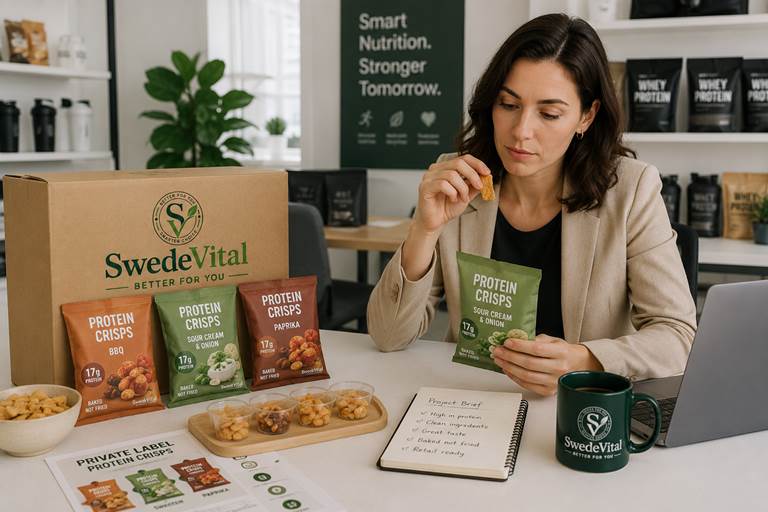
Figure 1. Retail buyer sampling a low-MOQ private label protein crisps range before committing to a bigger launch.
Direct Answer
Low-MOQ protein crisps give retailers, gyms, cafés, hotels, and online snack brands a practical way to test private label snacks before committing to a full-scale product launch. Instead of guessing what customers want, buyers can start with a smaller run, test flavors, collect shelf feedback, and then scale through SwedeVital private label support or retail-ready snack supply once demand becomes clear.
Why a “small test” can beat a big risky launch
Most snack ideas look amazing in a meeting room. The packaging mockup behaves itself. The flavor sounds clever. Everyone nods. Someone says, “This could be huge.” And then reality walks in wearing a supermarket badge and asks the annoying question: will real shoppers actually buy it?
That is where a low-MOQ test becomes useful. For brands exploring private label protein snacks, the smartest first move is not always a huge launch. Sometimes the smarter move is a controlled test: a small protein crisps range, a few flavors, a clean shelf story, and enough supply to learn without turning the warehouse into a cardboard mountain.
This article takes a different angle from broad private label snack manufacturer guides. It focuses on one very practical question: how can retailers and brands use high-protein crisps as a fast, lower-risk way to validate snack demand before scaling into a larger private label healthy snacks range?
What top-ranking pages usually do well
The top search results around private label protein snacks and white-label bars usually follow a guide-style format. They explain product options, formulation choices, minimum order quantities, packaging, speed to market, and the difference between ready-to-go products and fully custom development. That format works, so this article keeps the practical guide structure, but adds the missing retail-test angle.
For example, EMPWR Nutrition presents a ready-to-go protein bar range as a faster route for brands that need a reasonable MOQ, Nat Food explains recipe development and private label production for plant-based bars, and Newon Food positions European protein bar manufacturing around private label support. This article borrows the useful structure: clear problem, practical solution, product selection, launch checklist, FAQ, and next steps. SwedeVital then fits naturally because its site already speaks to flexible MOQs, European production, shelf-ready products, and B2B buyers.
The problem: most snack launches are too big too soon
Launching a snack brand can feel exciting until the operational details arrive. MOQ, flavor testing, packaging cost, ingredient compliance, case packing, barcodes, delivery timing, shelf placement, and reorder planning all show up at once. It is like inviting one friend over and somehow hosting a wedding.
Retailers looking at private label snack foods often face three worries: will the product sell, will the packaging communicate fast enough, and can the supplier support reorder demand if it works? A controlled low-MOQ protein crisps test helps answer those questions before the buyer overcommits.
This is especially important for private label high protein snacks, because shoppers compare them quickly. The product has to look tasty, feel better-for-you, explain the protein benefit clearly, and avoid the tragic fate of becoming the snack nobody touches except when they are rearranging the shelf.
| Launch risk | Big launch problem | Low-MOQ snack test advantage |
| Demand risk | Large volumes are ordered before shopper interest is proven. | Smaller runs help test real demand first. |
| Flavor risk | One weak flavor can drag down the whole launch. | Buyers can test 2-4 flavors and keep the winners. |
| Shelf risk | Packaging may look good in design files but fail on shelf. | Shelf trials show whether shoppers notice and understand the product. |
| Cash-flow risk | Too much stock ties up budget and space. | Lower volume protects budget while data comes in. |
| Reorder risk | A supplier may not scale when the product starts moving. | A reliable partner can move from test run to bigger supply. |
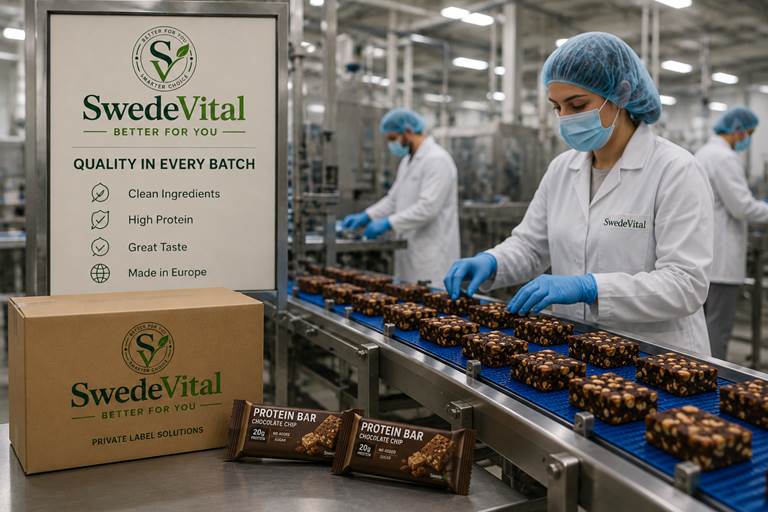
Figure 2. Private label snack production: quality in every batch matters before the first pallet leaves the facility.
Why protein crisps are a useful test product
Protein crisps sit in a sweet spot between familiar snack behavior and better nutrition positioning. They feel easier than a full meal replacement, less serious than a sports supplement, and more snackable than another bar in a very crowded bar universe. That matters for retail and wholesale buyers who need products that make sense quickly.
A protein crisp can be eaten at a desk, after a workout, during travel, or between meals. It is easy to explain: crunchy, high protein, baked not fried, clean ingredients, better snack choice. No twenty-slide pitch required. Bless the snack gods.
For a protein snack private label project, crisps are also flexible. They can support gym counters, hotel mini-markets, cafés, health stores, e-commerce bundles, and supermarket better-for-you shelves. That gives the test more usable feedback across channels.
| Channel | Why protein crisps fit | What to test first |
| Gyms and fitness studios | High-protein positioning is easy to understand after training. | Single-serve packs near checkout or vending. |
| Cafés and food service | Crunchy snack format works beside coffee, smoothies, and lunch items. | Two flavors with visible better-for-you messaging. |
| Hotels and hospitality | Convenient room, lobby, or mini-market snack option. | Premium-looking packaging and clear portion size. |
| Supermarkets | Fits health snack, protein snack, and impulse aisles. | Shelf visibility, price point, and flavor rotation. |
| Online brands | Easy to bundle with bars, bites, and wellness products. | Starter boxes, trial packs, and subscription interest. |
What a smart low-MOQ snack test should include
A useful test is not just “order a few boxes and hope the snack gods are in a generous mood.” A good test has structure. When working with private label snack manufacturers, the goal is to test the smallest set of variables that can still produce meaningful decisions.
Start with a clear test question. Are you testing flavor appeal? Price tolerance? Shelf placement? Gym counter conversion? E-commerce repeat purchase? Each question changes what you should measure.
For example, a retailer using SwedeVital retail-ready products might test protein crisps beside protein bars and bites to see whether crunchy formats attract a different shopper. A brand using SwedeVital private label might test packaging, flavor names, and claim hierarchy before committing to a full printed run.
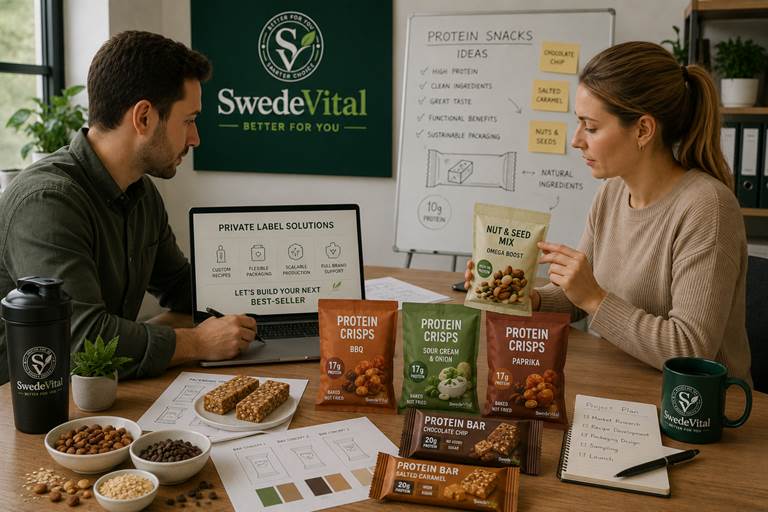
Figure 3. Product development meeting for protein crisps, flavors, packaging, and retail positioning.
A simple 4-step test plan
Step one is product selection. Choose a focused range of private label healthy snacks instead of trying to launch every flavor your imagination can legally invent. Two or three protein crisps flavors are enough for a serious first test.
Step two is channel selection. A low-MOQ launch can be tested through one supermarket shelf, one gym chain, a few cafés, or a small e-commerce sample box. SwedeVital retail and wholesale support is relevant here because the product must be shelf-ready, labeled properly, and easy for B2B buyers to evaluate.
Step three is feedback collection. Track sell-through, shopper comments, repeat orders, flavor preference, and whether the packaging clearly communicates the benefit. If shoppers keep asking “what is this?” the product may need clearer positioning. If they keep asking “do you have more?” congratulations, your snack has entered its main-character era.
Step four is scale decision. Keep the winning flavors, refine weak claims, adjust packaging if needed, and move from test volume to larger production. That is where a partner with European production, certified manufacturing, and flexible MOQ support becomes more than a nice website phrase. It becomes operational safety.
What to ask private label snack food manufacturers before testing
Not every supplier is built for a smart test. Some are designed for huge volumes only. Others are flexible but messy. The best private label snack food manufacturers make the early test feel organized, not like a spreadsheet fell down the stairs.
| Question to ask | Why it matters | Good answer should include |
| What is the minimum order quantity? | Determines whether testing is practical. | A realistic MOQ, clear unit count, and scaling path. |
| Are recipes ready-made or custom? | Affects speed, cost, and differentiation. | Ready-made options plus room for customization. |
| Can you support EU label compliance? | Prevents delays and packaging mistakes. | Ingredient, nutrition, allergen, and claim guidance. |
| What packaging formats are available? | Packaging affects shelf impact and cost. | Single packs, cartons, multipacks, and brandable options. |
| How fast can test products be delivered? | Timing affects campaign and shelf planning. | Clear production and delivery timelines. |
| Can the supplier scale after a test? | A successful test must not hit a supply wall. | Scalable volumes and reorder planning. |
This is exactly where SwedeVital’s private label page should support the reader journey. It gives buyers a place to explore custom recipes, branded packaging, compliance help, flexible MOQs, and European supply. The Retail & Wholesale page then gives another route for buyers who prefer proven shelf-ready products before creating their own brand.
What top pages often miss: the shelf-test mindset
Most private label guides explain how to create a product. Useful, yes. But they often skip the part where the product has to survive real life. Real shelves. Real price tags. Real shoppers walking past while thinking about dinner, laundry, and why their phone battery is at 4%.
That is why the shelf-test mindset matters. A private label snacks project should not only ask, “Can we make this?” It should also ask, “Can we prove this belongs in the range?” That question changes everything.
A low-MOQ protein crisps test gives you evidence before ego takes over. You learn whether shoppers prefer sour cream, paprika, BBQ, sea salt, or something more adventurous. You learn whether “high protein” is enough or whether “baked not fried” deserves more space on the pack. You learn whether your retail buyer needs a carton display, a shelf strip, or a simple barcode-ready unit.
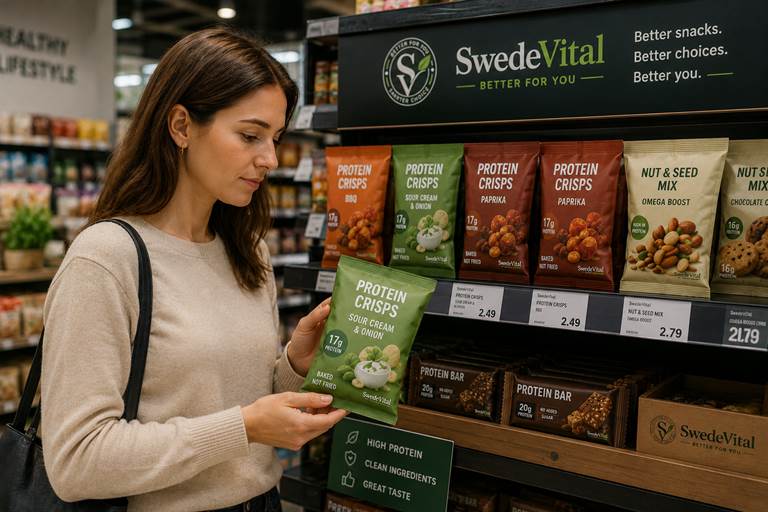
Figure 4. Small shelf tests help retailers see what shoppers actually pick up, not just what looks nice in a meeting.
How SwedeVital fits without turning the article into a sales pitch
SwedeVital already speaks to the exact buyer this article serves: brands, retailers, distributors, importers, gyms, hotels, cafés, and supermarkets looking for better-for-you snacks that are ready for European retail. The site positions SwedeVital around certified production, flexible MOQs, private label support, retail-ready products, and scalable B2B supply.
That makes the natural next step simple. Readers who want to test a branded snack idea can explore private label snack support. Readers who want proven products first can review retail-ready protein snacks. Readers still comparing categories can continue through the SwedeVital blog for more practical sourcing and retail guidance.
The key is not to shout “buy now” in the reader’s face like a pop-up from 2007. The better approach is education first. Explain the risk. Show the test plan. Give the buyer a practical path. Then let SwedeVital’s B2B snack solutions feel like the obvious next step.
Low-MOQ protein crisps test checklist
| Test area | What to decide | Practical recommendation |
| Product format | Crisps, bites, bars, or mixed range? | Start with crisps plus one familiar bar or bite for comparison. |
| Flavor count | How many flavors are enough? | Use 2-4 flavors, not 12. This is a test, not a snack opera. |
| Packaging message | What claim leads? | Lead with protein, taste, clean ingredients, and baked-not-fried positioning. |
| Shelf location | Where should it sit? | Test near protein bars, health snacks, checkout, or gym counter. |
| Data collected | What proves success? | Sell-through, reorder interest, repeat buyer feedback, flavor preference. |
| Scale trigger | When should you expand? | Scale after consistent demand, not after one enthusiastic meeting. |
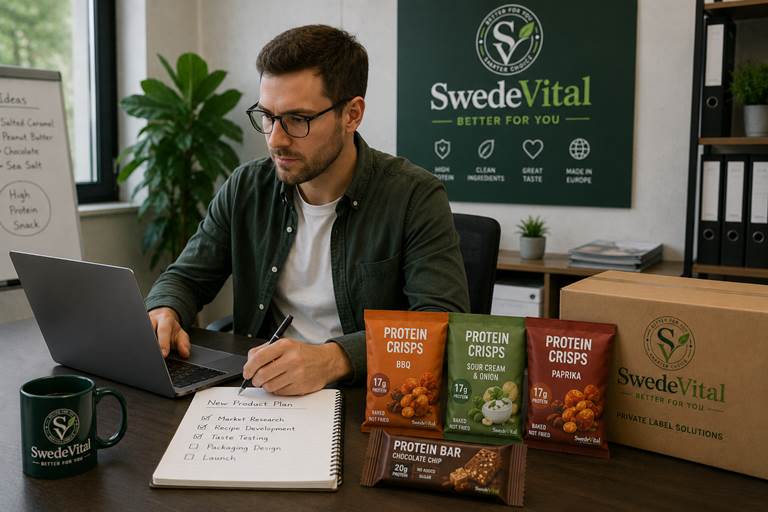
Figure 5. A focused launch plan helps brands move from sample testing to a controlled private label snack rollout.
FAQ
What are private label snacks?
Private label snacks are products manufactured by a supplier and sold under another company’s brand name. For snack brands and retailers, this can reduce manufacturing complexity while still allowing branded packaging and product positioning.
What is a low MOQ in private label snacks?
A low MOQ means a supplier allows a smaller minimum order quantity. This is useful when a retailer or brand wants to test demand before committing to large-scale production.
Are protein crisps a good private label snack?
Yes, protein crisps can be a strong private label snack because they combine familiar crunchy snacking with high-protein positioning. They are also easy to test across gyms, cafés, hotels, supermarkets, and online bundles.
What should I ask private label snack manufacturers?
Ask about MOQ, recipe options, packaging formats, compliance support, lead times, ingredient sourcing, quality certifications, and whether the supplier can scale after a successful test.
How many flavors should a snack brand test first?
For a first test, two to four flavors are usually enough. More flavors can create confusion and make it harder to understand what actually drove sales.
What is the difference between white label and private label snacks?
White label snacks are usually ready-made products sold under different brand names with limited customization. Private label snacks can offer deeper branding, packaging, and sometimes formulation control.
Why should retailers test before a full private label launch?
Testing helps retailers validate demand, price, flavor, shelf placement, and packaging clarity before committing to larger orders.
Can SwedeVital help with private label protein snacks?
SwedeVital supports private label snack development, retail-ready supply, European production, flexible MOQs, and B2B buyers looking for protein snacks and functional snack products.
Research Basis
This article was shaped by current search patterns around ready-to-go protein bar manufacturing, European private label protein bars, plant-based private label snacks, and private label protein product guidance. Helpful reference examples include EMPWR Nutrition, Nat Food, Newon Food, Bariatrix Nutrition, and Smart Organic private label snacks.
For more practical guides on retail-ready snacks, private label products, and wellness sourcing, explore the remaining blog content available at swedevital.com/en/blog.
People Also Read
- Private Label Manufacturers: How to Choose the Right Partner for Protein Bars, Functional Food, and Supplements
- Protein Snacks Wholesale: How to Buy Better Snacks in Bulk Without Filling Your Store With Boring Bars
- Private Label Products Wholesale: How to Build a Product Range Without Building a Factory
- Private Label Food Manufacturing: How Better Products Move From Factory to Shelf
- European Snacks for Retail: How Buyers Turn Curiosity Into Shelf Sales
- European Snack Box for Retail: How Protein Bars Europe Buyers Can Turn Curiosity Into Shelf Sales
- Supplement Manufacturing for Wellness Brands: From Idea to Shelf-Ready Product
- Protein-Enriched Bakery Snacks for Retail: From Bakery Line to Better Shelves
- Good Protein Snacks for Retail: How to Stock Smarter and Sell Better
- Wholesale Protein Bars: How Retail Buyers Choose Snack Products That Move