
Private Label Manufacturers: How to Choose the Right Partner for Protein Bars, Functional Food, and Supplements
Aftab Ahmed
SwedeVital
Direct answer: The best private label manufacturers help you launch products under your own brand by handling formulation, production, packaging, compliance, and delivery. For protein bars, functional food, and supplements, the right partner should offer category experience, clear MOQs, reliable lead times, food-safety certifications, retail-ready packaging, and enough flexibility to help your product stand out without turning the launch into a spreadsheet-themed horror movie.
There is a moment every growing brand eventually reaches.
You have the idea. You know the customer. You can almost see the product sitting on a shelf, looking confident and slightly better dressed than everything around it.
Then reality walks in holding a clipboard.
Who will make it? What is the MOQ? Who checks the label? Can the formula be adjusted? Is the packaging retail-ready? How long will production take? And why does one supplier answer emails like they are sending messages from a cave with one bar of Wi-Fi?
That is where private label manufacturing becomes useful. It gives brands, retailers, importers, and distributors a way to launch products without building a factory, hiring a full food science team, or learning the emotional rollercoaster of packaging procurement from scratch.
This guide explains how to choose private label manufacturers for protein bars, functional foods, and supplements, especially if you are looking at Europe as your launch or supply market.
What Are Private Label Manufacturers?
Private label manufacturers are companies that produce goods for another business to sell under its own brand name. The manufacturer handles production, while the brand owner controls the customer-facing identity, positioning, packaging direction, and market strategy.
In plain English: they make it, you brand it.
But good private label is not just “stick my logo on this and hope.” That is how products end up looking like they were designed during a lunch break by someone fighting a printer.
A strong private label partner helps with the hard parts: product selection, sampling, compliance, ingredient standards, packaging, shelf readiness, and scaling. PLMA describes private label as a major business ecosystem covering food, beverages, snacks, health and beauty, household products, and more, with thousands of member companies worldwide.
| Term | Simple meaning | Best fit |
|---|---|---|
| Private label | A product made for your own brand, often with more control over formula, packaging, or positioning. | Brands and retailers that want differentiation and long-term brand value. |
| White label | A ready-made or generic product that several brands can rebrand. | Fast launches, low complexity, and testing demand quickly. |
| Contract manufacturing | A manufacturer produces according to your requirements, often with deeper customization. | More mature brands with specific recipes, quality needs, or scale requirements. |

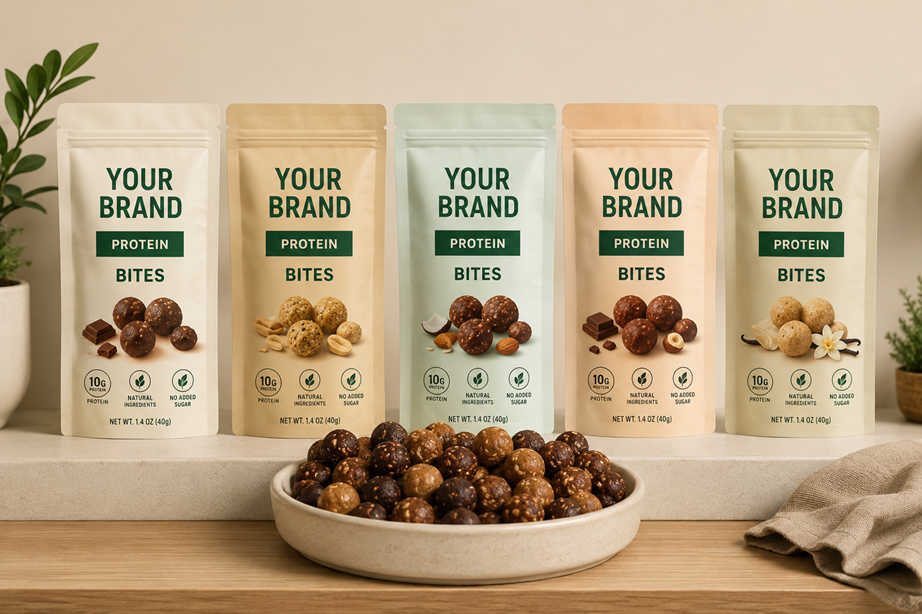
Image 2: Private label production is part product development, part quality control, and part logistics planning.
White Label vs Private Label: What Is the Difference?
The phrase white label vs private label is searched so often because the two models look similar from the outside. Both allow you to sell a product made by another company. The difference is control.
White label is usually faster and more standardized. Private label usually gives you more room to shape the product around your brand. Shopify explains private labeling as working with a third-party manufacturer to create a product that is exclusive to your brand, often with custom formulation, features, or packaging.
The short version: white label is like renting a furnished apartment. Private label is like choosing the kitchen tiles, the sofa, and the snack drawer that nobody is allowed to judge.
| Feature | White label | Private label |
|---|---|---|
| Product formula | Usually pre-made or stock formula. | Can be adapted, selected, or developed for your brand. |
| Speed | Often faster. | Fast when using available formulations; slower with custom R&D. |
| Brand differentiation | Lower, because others may sell a similar product. | Higher, because packaging, product choices, and positioning can be more unique. |
| Best for | Testing demand quickly. | Building brand equity and stronger retail positioning. |
| Typical risk | Looks too similar to competitors. | Needs clearer planning, forecasting, and supplier communication. |
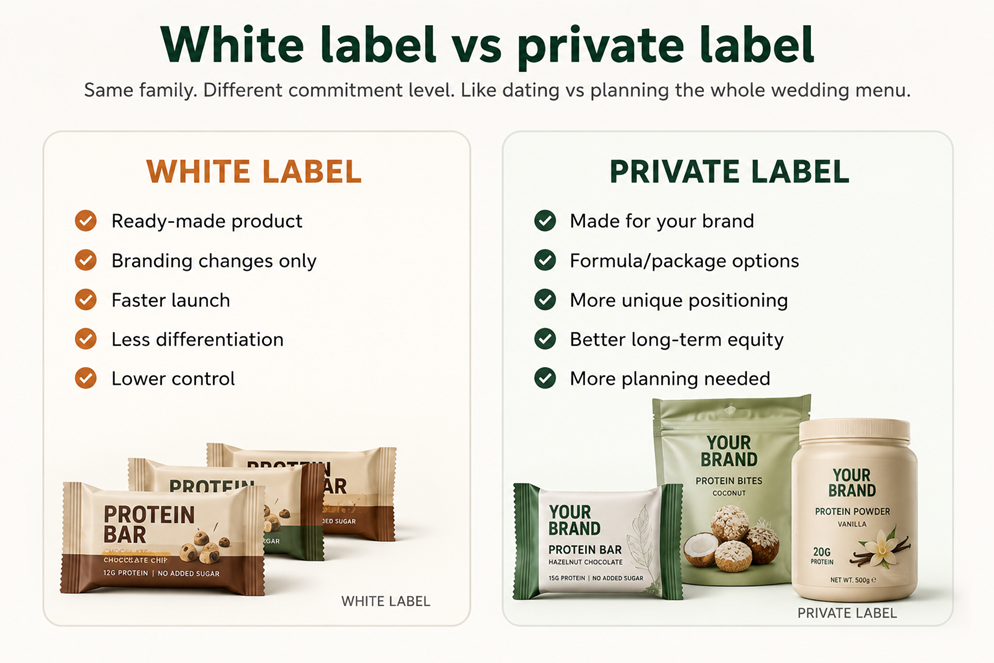
Image 3: White label and private label can both work, but they solve different business problems.
Why Private Label Is Growing in Food, Supplements, and Wellness
Private label is no longer the quiet “cheaper alternative” hiding on the bottom shelf. Retailers now use it to build loyalty, improve margins, and offer products customers cannot find everywhere else. In food and wellness, this shift is especially visible because shoppers want better ingredients, clearer claims, and products that feel useful, not just cheap.
For protein snacks and supplements, the opportunity is even more obvious. Customers understand the benefit quickly: protein, convenience, function, and better snacking. Nobody needs a 47-slide presentation to understand why a good protein bite at 3 p.m. feels like a tiny rescue mission.
That is why keyword searches such as private label protein bar, private label protein bars, private label supplements Europe, and private label functional food show strong buyer intent. People are not just reading for fun. They are often comparing suppliers, categories, and launch options.
What the Top-Ranking Pages Usually Cover
After reviewing the main ranking formats, the pattern is clear. Successful pages do not only say “we manufacture.” They answer the buyer’s risk questions.
| Topic competitors cover | Why it matters for the reader |
|---|---|
| Supplier lists or manufacturer examples | Buyers want to see options and understand the market landscape. |
| Private label vs white label explanation | Many buyers are still deciding which model fits their stage. |
| MOQ and lead time | Cash flow and launch planning depend on these two numbers. |
| Certifications and compliance | Food, supplement, and retail buyers need trust before samples. |
| Product categories | Buyers need to know whether the manufacturer fits protein bars, snacks, supplements, or functional foods. |
| Launch process | A clear process reduces uncertainty and makes the next step easier. |
| FAQ section | Search users often have practical questions before contacting a supplier. |
This article follows that structure, but with two extra topics many competitor pages miss: retail shelf-readiness and product-market fit before MOQ. Those two can quietly decide whether a launch becomes a business or just a very expensive storage problem.

Image 4: Packaging, formula, and certifications need to work together before a product is ready for retail conversations.
How to Choose Private Label Manufacturers
Here is the practical buyer checklist. Not glamorous, but neither is realizing after production that your packaging does not fit the retailer’s shelf system.
1. Start With Product Fit, Not Factory Size
A huge factory is not automatically the right factory. The right private label protein bar manufacturer should understand your product type, texture expectations, nutrition claims, and customer use case.
For protein bars and protein bites, ask whether they can handle oat bars, nut bars, coated bars, filled bites, vegan formats, no-sugar-added concepts, high-protein positioning, and retail-ready packaging.
SwedeVital’s private label page, for example, presents protein bites, Swedish protein bites, and protein bars as ready-to-launch categories with shelf appeal and a 6-8 week route from idea to finished product.
| Product type | What to ask the manufacturer | Why it matters |
|---|---|---|
| Protein bars | Can you support coated, oat, nut, or high-protein bar formats? | Texture and shelf stability vary by format. |
| Protein bites | Can you produce filled, coated, or bite-sized formats? | Bites can look more distinctive than another standard bar. |
| Functional food | Can you support clean-label, high-fiber, vegan, or no-sugar-added positioning? | Functional claims need ingredient and compliance discipline. |
| Supplements | Do you handle powders, capsules, gummies, or bars? | Different supplement formats require different production and regulations. |
2. Compare MOQs Before You Fall in Love With the Idea
Minimum order quantity is where excitement meets mathematics. And mathematics does not care how pretty the packaging mockup looks.
MOQs vary widely depending on product type, customization level, packaging, and supplier. A stock white label product may start lower. A fully custom private label protein bar contract manufacturer may require more units because production setup, ingredient sourcing, wrapper printing, and quality checks take time.
A smart question is not only “What is your MOQ?” Ask: What is the MOQ for sampling, first production, repeat production, custom wrappers, and each flavor? Otherwise, the “small test launch” may quietly become “congratulations, you now own 18 pallets.”
| MOQ question | What a useful answer should include |
|---|---|
| What is the first order MOQ? | Units per SKU, per flavor, and per packaging format. |
| Is there a sample run? | Cost, quantity, timeline, and whether changes are allowed. |
| What changes raise the MOQ? | Custom film, unique ingredients, special packaging, new tooling, or exclusive formulas. |
| Can MOQ scale gradually? | A clear path from test order to repeat order to larger retail rollout. |
3. Check Certifications Before Pricing
Price matters, obviously. We are all trying to avoid launching a snack that costs more than a small appliance. But in food, supplements, and functional products, certificates can be the difference between “retail-ready” and “nice idea, please come back after compliance.”
Look for standards relevant to your market and category: ISO 22000, BRCGS, IFS, GMP, Halal, Kosher, Vegan, Organic, gluten-free, or other claim-specific certifications. SwedeVital highlights BRCGS Grade A+, ISO 22000, EU Organic, GMP, and Vegan Approved on its private label page, while its retail page also positions products as certified, shelf-ready, and compliant for European retail distribution.
| Certification/standard | Why buyers care |
|---|---|
| BRCGS / IFS | Signals strong food-safety systems for retail buyers. |
| ISO 22000 | Food safety management framework. |
| GMP | Important for supplements and wellness products. |
| Vegan / gluten-free / organic | Supports specific consumer positioning and shelf filtering. |
| Halal / Kosher | Expands suitability for specific markets and buyer requirements. |
4. Look at Packaging Like a Retail Buyer
Packaging is not decoration. It is sales staff that works without taking lunch breaks.
The best private label food supplements and functional food products should be understandable in seconds. A shopper should know what it is, why it matters, and whether it fits their lifestyle before their attention drifts to something shiny nearby.
For retail, packaging should also survive logistics, display clearly, show compliant claims, and fit the shelf or counter format. SwedeVital’s retail page emphasizes shelf-ready packaging, EU-compliant labeling, and reliable supply for retailers, distributors, importers, and wholesale buyers.
| Packaging element | What to check |
|---|---|
| Front-of-pack message | Is the main benefit clear within 3 seconds? |
| Claims | Are high-protein, vegan, organic, gluten-free, or supplement claims compliant? |
| Shelf format | Does it work for retail shelves, counter displays, boxes, or multipacks? |
| Transport durability | Will it survive warehousing and delivery without looking tired? |
| Brand space | Can your own brand identity stand out without clutter? |
5. Ask About Lead Time and Repeat Supply
The launch is exciting. Repeat supply is where the business becomes real.
A supplier may be able to produce one batch. That is good. But can they keep producing if a retailer wants more? Can they handle multiple SKUs? Can they support seasonal demand? Can they deliver across your target markets?
For European retail and distribution, this matters a lot. SwedeVital’s retail information mentions lead times of 4-12 weeks depending on product and market, with reliable supply for retail partners. Its private label offer highlights a 6-8 week average onboarding route for launches. That kind of clarity helps buyers plan instead of refreshing their inbox like it owes them money.
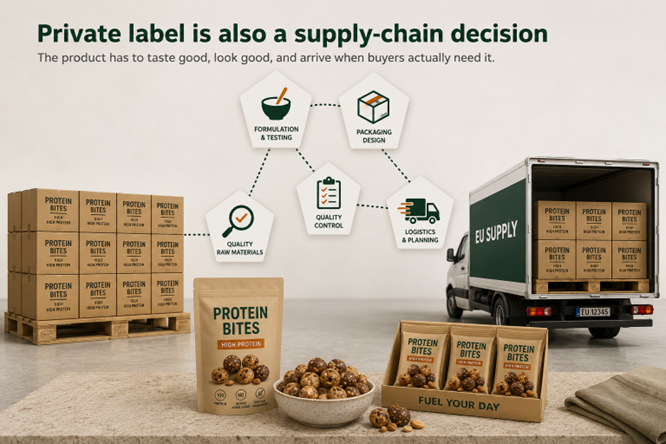
Image 5: Private label success depends on product, packaging, compliance, and reliable distribution working as one system.
Best Private Label Protein Bar Manufacturers Europe: What “Best” Really Means
Searches like best private label protein bar manufacturers Europe and best private label protein bars Europe sound simple, but “best” depends on your business model.
A startup may need low MOQ and guidance. A retailer may need compliance, consistent supply, and shelf-ready packaging. A distributor may care more about territory options, lead times, and repeat order stability. A premium wellness brand may want product differentiation and a cleaner ingredient story.
| Buyer type | What “best” should mean |
|---|---|
| Startup wellness brand | Guidance, lower complexity, available formulations, and clear first steps. |
| Retail chain | Certifications, packaging quality, supply reliability, and margin potential. |
| Distributor/importer | Territory fit, repeat stock, logistics, and product range depth. |
| Existing brand | Customization, category expansion, and scalable production. |
So instead of asking only “Who is the best supplier?” ask “Who is the best supplier for my first three SKUs, my market, my MOQ comfort zone, and my buyer expectations?” Much less glamorous. Much more useful.
Private Label Supplements Europe: Different Rules, Same Core Logic
Private label supplements Europe is a slightly different search intent from protein bars, but the decision process overlaps. Buyers still need formula clarity, compliance support, packaging, lead time, and a trustworthy supply partner.
The difference is that supplements often involve stricter rules around ingredients, claims, dosage, labeling, and market-specific regulations. That means you should ask more detailed questions before committing.
| Supplement question | Why it matters |
|---|---|
| Which markets can this product be sold in? | EU rules and national requirements can differ. |
| Who checks label compliance? | Bad labels can delay launch or create legal risk. |
| Are ingredients traceable? | Retailers and regulators may request documentation. |
| What claims are allowed? | Marketing claims must match applicable regulations. |
| Can the product be adapted by market? | Useful when selling across multiple European countries. |
Private Label Functional Food: The Middle Ground Buyers Like
Private label functional food sits between everyday food and supplement-style wellness. It can include protein snacks, high-fiber snacks, fortified bars, clean-label bites, and products built around specific lifestyle needs.
This category is attractive because customers understand it quickly. A functional snack does not ask them to change their whole life. It says, “Here is a better option when you are hungry and pretending vending-machine candy is a balanced decision.”
For private label functional food producers, the challenge is balancing taste, nutrition, compliance, and shelf appeal. If the snack is technically impressive but tastes like compressed sadness, the customer will not come back. Taste is still the boss. Protein is important. Claims are important. But taste sits in the big chair.
A Practical 6-Step Process for Working With Private Label Manufacturers
| Step | What happens | Buyer tip |
|---|---|---|
| 1. Define the brief | Product type, audience, target market, claims, price point, and packaging direction. | Do not start with “something healthy.” Start with a clear buyer and use case. |
| 2. Shortlist manufacturers | Compare category fit, certifications, MOQ, and market experience. | Avoid suppliers that cannot explain their process clearly. |
| 3. Request samples | Taste, texture, packaging, and shelf-life expectations are tested. | Try samples like a customer, not like a spreadsheet. |
| 4. Confirm compliance | Review labels, claims, ingredients, documentation, and certifications. | Compliance should happen before launch pressure begins. |
| 5. Approve packaging and production | Finalize design, batch details, order quantity, and production timeline. | Confirm what changes are allowed after approval. |
| 6. Plan distribution | Prepare retail, wholesale, or direct-to-market rollout. | The best product still needs a route to buyers. |
This is where a business may naturally look for a partner that already works across private label, retail, wholesale, and distribution.
For example, SwedeVital positions itself as a European B2B supplier with private label launch support, shelf-ready protein snacks, certified production, and partnership options for retailers, distributors, importers, and wholesale buyers.
That kind of setup can reduce the number of moving parts for a brand that wants to go from idea to market without assembling a supplier puzzle at midnight.
Common Mistakes When Choosing Private Label Manufacturers
| Mistake | Why it hurts | Better move |
|---|---|---|
| Choosing only by lowest unit price | Low price can hide weak packaging, poor support, or slow delivery. | Compare total launch cost and repeat order reliability. |
| Ignoring MOQ until late | The idea may not match your cash flow or sales channel. | Ask MOQ per SKU and flavor before sampling excitement takes over. |
| Forgetting retail shelf-readiness | A product can be good but hard to display, explain, or reorder. | Review packaging, cartons, labeling, and merchandising fit. |
| Over-customizing too early | Custom R&D can slow launch and increase cost. | Start with a strong available base, then customize where it matters. |
| Skipping compliance checks | Claims and labels can delay market entry. | Confirm documentation, certificates, and claim rules early. |
When Should You Choose SwedeVital-Style Support?
You do not always need a complex custom manufacturing project. Sometimes you need a faster, structured route to market with products that already make sense for retail and distribution.
A partner like SwedeVital is worth exploring when you are looking for:
- Private label protein snacks or protein bars with a practical launch timeline.
- Shelf-ready retail and wholesale products for European markets.
- Certified production standards such as BRCGS, ISO 22000, GMP, Vegan, Halal, Kosher, or related retail requirements.
- A product range that can serve retailers, distributors, importers, and wholesale buyers.
- A softer route into the category before building a fully custom manufacturing operation.
You can explore SwedeVital’s private label manufacturing page for launch-ready protein snack categories, or its retail and wholesale supply page if your focus is ready-made products for distribution and retail. When the next step is a conversation, the partnership inquiry page keeps it simple. No dramatic trumpet sound required.
Final Thoughts
Choosing private label manufacturers is not just a sourcing decision. It is a brand decision, a compliance decision, a packaging decision, and a supply-chain decision all wearing the same jacket.
The right partner should help you move from idea to product without making the process feel like a maze built by people who hate clear emails.
For protein bars, functional foods, and supplements, focus on the basics: product fit, MOQ, certifications, packaging, lead time, and repeat supply. Then look for a partner that understands your market and can help you build something that looks good, tastes good, and makes commercial sense.
Because a private label product has one job before it does anything else: it must earn its place on the shelf. And ideally, it should not taste like a spreadsheet.
FAQ: Private Label Manufacturers
What are private label manufacturers?
Private label manufacturers produce products for another company to sell under its own brand name. They may help with formulation, manufacturing, packaging, compliance, and delivery depending on the service model.
What is the difference between private label and white label?
White label products are usually pre-made products that multiple brands can rebrand. Private label products are made for your brand and often allow more control over formula, packaging, positioning, or exclusivity.
How do I find reliable private label manufacturers?
Start by checking category experience, certifications, MOQs, lead times, samples, documentation, references, and how clearly the supplier explains its process. For food and wellness, compliance and repeat supply matter as much as product taste.
What is a private label protein bar manufacturer?
A private label protein bar manufacturer makes protein bars for brands, retailers, or distributors to sell under their own label. Services may include recipe development, available bar formats, packaging, production, and quality control.
Are private label protein bars profitable?
They can be profitable when the product has strong shelf appeal, clear positioning, good taste, suitable pricing, and reliable supply. Profit depends on MOQ, unit cost, retail price, logistics, marketing, and repeat purchase.
What should I ask a protein bar private label manufacturer?
Ask about MOQ, lead time, available formats, protein sources, sweeteners, allergens, certifications, packaging options, shelf life, sampling, repeat production, and who handles label compliance.
Can I sell private label supplements in Europe?
Yes, but you need to follow relevant EU and national market rules for ingredients, labeling, claims, and safety. Always confirm compliance responsibilities before production.
What is private label functional food?
Private label functional food refers to food products sold under your brand that offer an added benefit, such as high protein, high fiber, low sugar, vegan ingredients, or other wellness-oriented positioning.
How long does private label manufacturing take?
Timelines vary. Existing formulations can move faster, while custom product development can take longer because of sampling, packaging, compliance checks, and production scheduling.
Is private label better than building my own factory?
For most early and growing brands, private label is faster, less expensive, and less risky than building production infrastructure. Owning a factory only makes sense when scale, control, and capital justify it.